Also tell them about any herbs, vitamins, and supplements you use. Mild side effects of many drugs may go away within a few days to a couple of weeks. But if they become bothersome, talk with your doctor or pharmacist. When a person takes DXM at the dosage that a doctor or pharmacist has recommended, it rarely has side effects. Traditionally, DXM misuse involved drinking large amounts of cough syrup.
Some makers of OTC medicines with DXM have put labels on their packaging warning about the potential for abuse. Many states have banned the sale of meds with DXM to minors. The information contained on this website is not intended to be a substitute for, or to be relied upon as, medical advice, diagnosis, or treatment. Always seek the advice of your physician or other qualified health provider with any questions you may have regarding a medical condition. It should not be given to patients on selective serotonin reuptake inhibitors because of the risk of serotonin syndrome. Taking it after the expiry date may lead to serious side effects.
This thread allows people a place to describe their DXM highs and the side effects. It also provides advice on how to minimize certain side effects such as nausea. A quick search of popular sites such as YouTube can lead teens to videos that either warn of the dangers of DXM or encourage users to experience the high from it. Unfortunately, many websites include dosing recommendations and “tripping” suggestions for having a better experience of getting high.
The Second Plateau
- This is particularly likely if you use it with ADHD meds, decongestants, and antidepressants.
- Therefore, before using this product, inform your doctor or pharmacist about all the drugs you use.
- Some parents are worried that talking about drugs will increase their children’s curiosity about using.
- A safe dose of products with DXM is usually 15 to 30 milligrams (mg) over the course of 24 hours.
- Around the world, the legality of DXM is treated similarly as in the United States.
- Tell your healthcare provider if you have any of these side effects that bother you.
It’s not known whether it’s safe to take dextromethorphan during pregnancy or while breastfeeding. If you’re pregnant, breastfeeding, or planning either, talk with your doctor before taking dextromethorphan. Once a person has received successful treatment for a DXM overdose, they can generally go home if they have no symptoms after 6 hours. The National Capital Poison Center states that people aged 12–25 years account for approximately half of DXM-related emergency room visits each year. This may be due to its availability, as well as online information on how to “trip” successfully on DXM.

Cold Water Extraction
Many cough medicines used to get high also contain other ingredients that can be toxic in large amounts—for example, codeine cough syrup mixtures known as Lean, Sizzurp, or Purple Drank. Tell your healthcare provider about all of your health conditions and any prescription or over-the-counter (OTC) medicines, vitamins/minerals, herbal products, and other supplements you are using. This will help them determine if dextromethorphan is right for you. Dextromethorphan should not be taken while you are using certain other medicines.

How Strong Is DXM Compared To Other Psychedelics & Dissociatives
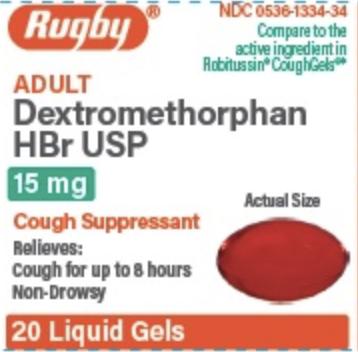
Here’s dextromethorphan dosage information for cough in adults. The strength of the dose is given in milligrams (mg) and mg per milliliter (mg/mL). As with most drugs, some people can have an allergic reaction after taking dextromethorphan.
Kratom Side Effects
- When people take the correct dosage of a cough medication, DXM does not pose a risk.
- For more information about dextromethorphan and depression, see this article.
- Keep a written list of all of the prescription and nonprescription (over-the-counter) medicines, vitamins, minerals, and dietary supplements you are taking.
- At extremely high doses, DXM acts as a hallucinogenic dissociative drug.
- Most fatalities from DXM abuse involve both overdosing and mixing it with alcohol or other drugs, with antidepressants being especially dangerous.
One example is Auvelity, which contains dextromethorphan and bupropion. Dextromethorphan oral capsule is approved for use in adults and children ages 12 years and older. The recommended dosage is 30 mg every 6–8 hours as needed for cough. But if you have symptoms of a severe allergic reaction, such as swelling or difficulty breathing, call 911 or your local emergency number right away.

Dangerous And Otherwise Undesirable Interactions With DXM
While DXM cannot cause serotonin syndrome on its own, it can cause this condition if you use it alongside other medications such as SSRIs. DXM (dextromethorphan) is not physically addictive in the same way as opioids or alcohol, but it can be psychologically addictive when misused. Long-term risks of using DXM are likely if you misuse it by taking it in high doses. The longer you misuse DXM, the higher your risk will be of developing an addiction to it and experiencing other negative consequences. Once you develop an addiction to DXM, you may experience cravings when you try to cut back or quit using it. It is typically more common for people to misuse DXM for recreational purposes than Benadryl.
Does DXM Show On A Drug Test?
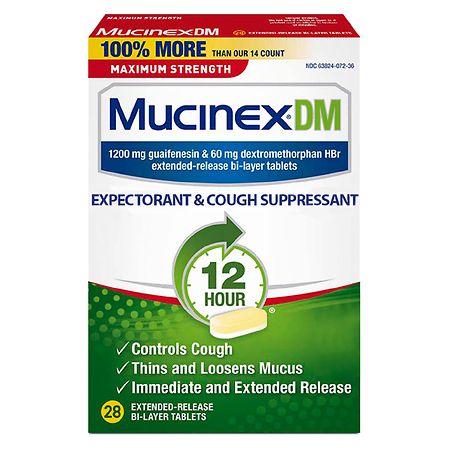
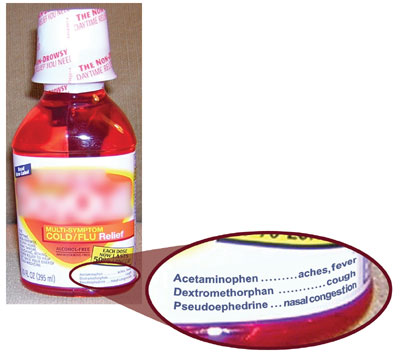
The effects of DXM have been compared to PCP and the anesthetic ketamine. At high doses, they give the abuser a feeling of not being in one’s own body. It depends on how much DXM is taken and what other drugs or chemicals are taken along with it. Dextromethorphan (DXM) is a common ingredient found in many cough and cold remedies. But DXM has become popular among teens who want a cheap, easy high. You can find it in at least 70 common over-the-counter (OTC) cough and cold medicines.
A higher level (7.5–15 mg/kg) induces intense hallucinations, dissociative symptoms, and agitation similar to low-dose ketamine use. The greatest (and most preventable) danger is consuming a formulation that contains DXM alongside other active ingredients that can be toxic or fatal when overdosed. DXM can also be dangerous to consume in combination with serotonergic drugs, including MAOIs and SSRIs. Given their similar mechanism of action in the brain, DXM’s effects are comparable to those of ketamine. In particular, third and fourth plateau doses produce strong dissociative effects very similar to pre-anesthetic doses of ketamine.
What Are Dextromethorphan’s Side Effects?
Those who have liver damage, are under the age of 4 years old, have certain heart conditions, or have a history of substance abuse should not take DXM. If someone shows signs of a DXM overdose, call 911 or seek emergency medical help immediately. Yes, you can overdose on DXM (dextromethorphan) if you take much more than the recommended dose. A DXM overdose can cause confusion, rapid heart rate, high blood pressure, breathing problems, and even comas. It is more likely to make you sleepy if you take it in high doses for recreational purposes.
The effects of high-dose DXM feel a lot like ketamine or other dissociatives. They disconnect the mind from the body which can be both freeing and terrifying at the same time. In this article, we’ll cover the four different stages of effects (called plateaus), as well as some important safety information to consider before trying DXM. At the recommended dose, DXM has little, if any psychoactive side effects.
Dissociatives can pose dangers to developing fetuses, so DXM should be avoided by women who are pregnant or nursing. In the liver, an enzyme known as CYP2D6 processes DXM into a metabolite called dextrorphan, or DXO. DXO is a stronger NMDA antagonist and is therefore responsible for most of the dissociative effects. If DXM is co-administered with grapefruit juice or low doses of quinidine, this inhibits the first-pass metabolism of DXM into DXO, thereby providing greater bioavailability.
The modern discovery of DXM originates with the synthesis of the racemic parent compound, racemorphan. The Swiss pharmaceutical company Hoffmann-La Roche patented racemorphan in 1950 and resolved its l- and d-isomers two years later. Research in the early 1950s discovered that the d-isomer (dextromethorphan) in particular showed potent antitussive activity, and demonstrated less analgesia than the l-isomer, levomethorphan. By 1954, the CIA tested dextromethorphan in a program they funded, known as MKPilot, in the hopes of finding a nonaddictive and less sedating alternative to codeine. After this research supported its safety and efficacy in suppressing coughs, the FDA approved it in 1958 as an over-the-counter antitussive. It is typically found as dextromethorphan hydrobromide (DXM HBr), a water-soluble salt made by reacting dextromethorphan with hydrobromic acid.
Similar to codeine and morphine, it belongs to a class of psychoactive compounds known as the morphinans. Unlike other morphinans, however, it does not bind to opiate receptors in the brain. DXM is the dextrorotatory enantiomer of methorphan, a synthetic analog of codeine. It is a stereoisomer of levomethorphan, a controlled opioid analgesic. Keep in mind that dextromethorphan doesn’t treat the underlying cause of your cough, such as the common cold or flu. If you drink alcohol, it may not be safe to consume while taking dextromethorphan.