Product Development focuses on creating something that evolves, scales, and adapts over time. It’s driven by user needs, market trends, and the ability to iterate continuously. The delivery here isn’t just a set of features or functionalities, it’s a cohesive, long-term value proposition that aligns with a strategic vision.
- However, you can potentially use third-party integrations or external tools for basic cost tracking if needed.
- A product manager oversees the entire product lifecycle, from development to launch and beyond.
- Projects, on the other hand, are specific, temporary endeavors with defined objectives and deliverables.
- By following these common steps, project managers can ensure that their teams work efficiently and effectively.
- ProjectManager is award-winning project management software that’s robust enough to manage projects, programs or portfolios.
- “As part of various job roles, a recurring routine work can be done which can be unique, have start and end date and can have a unique result.
Whichever route chosen – be it set, agile or balanced navigation – the goal stays to deliver achievements fulfilling partnership vision through value creation. The key to project success lies in selecting the methodology that best aligns with your project’s unique characteristics and organizational context. While traditional methods prioritize structure and documentation, agile focuses on flexibility, collaboration, and delivering value quickly. When comparing agile vs traditional pm, it’s essential to recognize that both methodologies have their strengths and weaknesses. The changing technological landscape and evolving customer needs demanded a more flexible approach.
AIPMM’s Certified Product Manager Credential by 280 Group requires completion of 18 learning modules and includes a comprehensive practice exam. These teams involve professionals with diverse expertise, highlighting the importance of collaboration within product teams. Product managers continuously analyze the market and customer feedback to improve the product and ensure it satisfies customer needs throughout the product’s lifecycle.

Choosing The Right Approach: Project Or Task?
Microsoft Project costs more, but its feature set is far more robust than Microsoft Planner’s in terms of project management functionality. So, if you want an advanced project management solution like Project Standard or Project Professional at a price comparable to Microsoft Planner, consider ProjectManager instead. In some cases, a hybrid approach combining elements of both traditional and agile project management may be the optimal solution. Organizations are increasingly recognizing that the choice between traditional vs agile project management is not always binary. While initially focused on software development, the agile approach quickly gained traction across various industries due to its ability to handle uncertainty and change effectively.

Project Portfolio Management: A Beginner’s Guide
Riyu the Lamb is a lost and curious lamb who teleported into a different world… by accident. Her experiences are a testament to how she views life and the world around her. She met the swordswoman Saya and holy knight commander Fionna fon Engels, immediately becoming friends with them. Stay tuned to uncover the critical aspects of these two concepts and learn how a deeper understanding of them can significantly improve decision-making and execution. Project Management Courses typically range from a few weeks to several months, with fees varying based on program and institution.
- A significant difference between projects and products exists in their respective durations and life cycles.
- The program manager oversees multiple projects, including clean water initiatives, healthcare support, and education programs, to ensure they align with the organization’s mission and deliver meaningful benefits.
- It highlights vital project information such as deadlines, assignments, and key milestones and is usually represented in the form of a Gantt chart.
- This is done to ensure that projects always align with an organization’s strategies and goals, even after they have been completed.
What Is The Difference Between A Project And A Process?
Program management ensures a consistent level of performance from the components of the program. Change, therefore, is integrated between projects and between projects and the administrative work that supports the program. In comparison, projects use change to control variance from planned cost and schedule while protecting various aspects and characteristics of the planned outputs. The following topics are more specific to the tactical implementation of these two tools. They break down the project into manageable parts, making it easier to plan, execute, and monitor progress.
Product Definition
This technique helps in avoiding procrastination and ensures that progress is made. All these departments can generate ideas for projects so if you have a business case template or project review group, it’s good to include stakeholders from every function in the decision-making. Typically, a business is likely to have Marketing, Sales, Customer Service, and any other functions specific to its purpose. In healthcare, for example, we have a Pricing team that sets prices for services and manages the huge catalogue of different things people come into a private hospital for.
Compare how Microsoft Project stacks up against Microsoft 365 in terms of ratings and user experience. Select the Collaboration software that perfectly aligns with your business requirements. It’s important to delegate tasks and responsibilities to team members who have the necessary skills and expertise to handle them. Trying to do everything yourself not only leads to burnout and decreased productivity, but it also limits the potential for diverse perspectives and ideas that can enhance project outcomes. Sometimes tasks can seem overwhelming, and breaking them down into smaller, more manageable tasks can make them more achievable.
Scrum Master Vs Product Owner: Understanding The Differences
A project combines a group of related tasks to create an output, such as a new product, a release or a service. Product management is all about looking after a business product end-to-end. Right from creating it, to fixing problems and upgrading it based on feedback, product management deals with all these things.
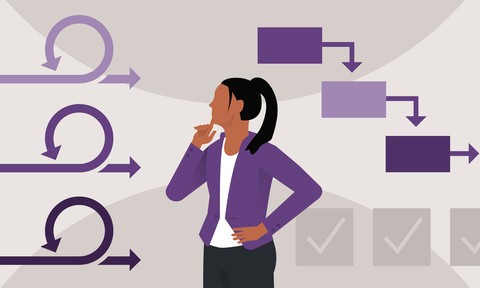
Choosing the right version of Microsoft Project isn’t just about selecting tools; it’s about aligning with your organization’s needs. Microsoft Project comes in two main editions – Standard and Professional, each tailored for different levels of project complexity and collaboration. There are reasons to prefer ProjectManager in a Microsoft Project vs. Microsoft Planner battle, but let’s provide some context first. To start, we’ll take a closer look at Microsoft Project, which is the big project management software in the room and deserves a fair shake. These principles form the foundation of various traditional project management methodologies, such as PRINCE2 (PRojects IN Controlled Environments) and the Project Management Body of Knowledge (PMBOK) Guide. Traditional project management, often referred to as the waterfall method, is characterized by a linear, sequential approach to project execution.
PMChamp Online PMP Coaching Program Celebrates 7 Successful Years!
Programs, on the other hand, have a more significant impact on the organization as they are designed to achieve strategic objectives that cut across multiple departments or functional areas. Programs are aligned with the organization’s overall vision and mission and are instrumental in driving organizational change, transformation, and growth. Projects are generally characterized by their relatively smaller scale and simpler structure compared to programs. The success of a project is primarily measured by its ability to meet the predetermined objectives within the given constraints.
Programs are often long-term initiatives that span across multiple projects and involve various stakeholders. They are designed to deliver benefits that cannot be achieved through individual projects alone. Project management is a systematic approach to planning, executing, monitoring, and controlling projects from start to finish. It plays a critical role in enabling businesses to achieve their goals efficiently and effectively. With project management, businesses can streamline workflows and allocate resources effectively. This ensures that projects are completed on time, within budget, and to the desired quality standards.
Project Vs Task Management: The Similarities
In contrast, Project-Based Development prioritises delivering a predefined scope on time and within budget. Projects are finite, with clear deliverables and objectives that aim to meet immediate needs, often at the cost of preparing for future needs, adding to costs in the form of change requests later on. While projects can be part of a product’s lifecycle, their focus is narrower and often lacks the flexibility needed for iterative growth. “Project” and “process” are two distinct concepts often used in the context of work, management, and various industries. Organizations often use both projects and processes to manage their work effectively.
The project manager must track deadlines and regularly check in with team members to make sure they’re meeting their objectives. If any roadblocks or challenges arise, the project manager must address them promptly to keep the project on track. They have to, as the ops people are the experts in the process, goals, customer expectations and specialist knowledge areas. Operations managers are involved in and responsible for planning, organizing, directing, controlling, and coordinating activities within an organization in order to meet customer needs. Operations management focuses on maximizing efficiency while minimizing costs. When considering traditional vs agile project management, remember that the goal is to maximize project success, not to rigidly adhere to a single methodology.
Track Progress, Costs And Resources Across Projects And Programs
Engaging team members and stakeholders early on can provide insights into their expectations and help identify potential challenges. This collaborative approach not only fosters a sense of ownership among team members but also ensures that the selected method aligns with the collective vision of the organization. Furthermore, assessing the skill sets of team members can guide managers in determining whether a project or task approach will be more successful in leveraging their strengths.