
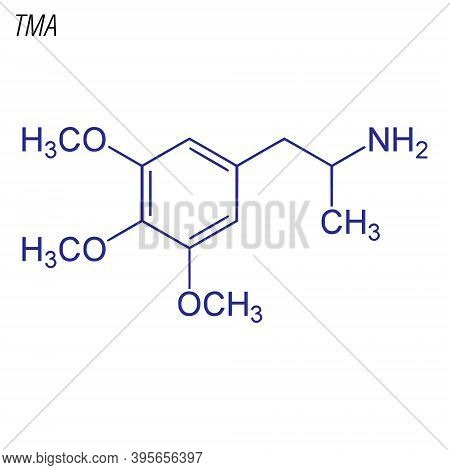
TMA investigation will only be pursued if a complete anamnesis and physical examination allows for a high grade of suspicion. This is an important aspect due to the fact that TMA is the presentation of many different diseases, with a wide differential diagnosis that demands a multidisciplinary approach 4. TMA-2’s psychedelic effects are believed to come from its efficacy at the 5-HT2A receptor as a partial agonist. However, the role of these interactions and how they result in the psychedelic experience continues to remain elusive. 2,4,5-Trimethoxyamphetamine (abbreviated TMA-2) is a synthetic psychedelic amphetamine known to produce a unique spectrum of hallucinogenic and stimulant effects that differ substantially from other psychoactive phenethylamines.
It is essential to distinguish proteasome inhibitors (PIs) kidney toxicity from complications of gammopathies 78. Blood pressure control is essential and renin-angiotensin system blockers are preferred, since VEGF inhibition induces renin secretion through tissue ischemia 64,67. Some case reports described the successful use of eculizumab, even while still administrating VEGFi 57,68.

1 Heterogeneity Of Etiopathogenesis For DITMA Classification: Description And Limitations

Unfortunately, his kidney function never recovered, and he ultimately developed end-stage kidney disease. Finally, when there is ambiguity in clinical presentation, biopsy of the affected organ (most commonly kidney) should be considered. Characteristic findings of acute TMA on kidney biopsy, such as glomerular thrombi, capillary fibrinogen deposition, and endothelial swelling, can lead to early diagnosis and appropriate initiation of treatment. Alternatively, the lack of TMA on the biopsy can help establish alternative diagnosis and prevent unnecessary treatment. The understanding of TA-TMA has evolved significantly over the past 20 years. Defects in the blood vessel wall lining can produce rough patches that are like potholes on a road – they can slow traffic and cause a lot of damage.
Drug-Induced Thrombotic Microangiopathy Resulting In ESRD
Ampicillin/sulbactam for poor response and persistent leukocytosis (77% neutrophils). Eventually, a skin biopsy of the left ankle plaque was performed, and it revealed findings of epidermal necrosis, dermal inflammation, and absence of vasculitis or neoplastic changes. He was discharged on prednisone 80 mg daily and SMX-TMP for Pneumocystis carinii prophylaxis. Additional workup at this time included a computed tomography scan of his chest, abdomen, and pelvis, which did not reveal any evidence of malignancy.
Visual Effects
- Moreover, according to consensus opinion (Palma et al., 2021), regardless of whether a toxic or immune-mediated form, a trial of TPE is recommended in all patients with a suspected diagnosis of severe DITMA, in addition to suspected-causative drug suspension.
- Tumor-induced TMA (TiTMA) is a relatively rare paraneoplastic syndrome, with little incidence data.
- All‐cause mortality was also higher in patients who have had an acute episode of TTP compared to the general population which was not fully accounted for by TTP related deaths.
- First of all, a case report incriminates hydroxychloroquine, a synthetic derivative of quinine used for rheumatoid arthritis and systemic lupus erythematosus, as a possible cause of thrombotic thrombocytopenia purpura (TTP) (82).
Interestingly, there is a long history of trades between these teams, with multiple players having played for both sides. Indeed, the presence of a complement mutation may not become significant without the stress of a clinical trigger. An otherwise strong thrombotic thrombocytopenic purpura (TTP) team missed the cut for the NephMadness bracket because of its underwhelming effect on the kidneys. The mechanism by which human immunodeficiency virus (HIV) causes aHUS is unclear but is thought to be due to endothelial damage. The incidence of TMA in patients with HIV has reduced significantly since the application of highly active antiretroviral therapy and is now ~0.3%.72 Treatment is supportive with optimisation of antiretroviral therapy. Treatment is supportive (dialysis, red cell transfusion) and treatment of the underlying infection.
VMAT2 Inhibitors For Long-Term Success In Tardive Dyskinesia
Indeed, there was reason to believe that continuous therapy may not be necessary. In those with pathogenic mutations in the complement system there is a high degree of non‐penetrance with a trigger necessary for disease onset, often well into the adult years. Additionally, in the era of PE for aHUS, treatment was routinely withdrawn with only a proportion relapsing and requiring ongoing PE.
Management Of Chemotherapy-Associated TMA
Thrombotic thrombocytopenic purpura ensues from insufficient activity of the von Willebrand factor (vWF) protease known as ADAMTS13 (a disintegrin and metalloproteinase with a thrombospondin type 1 motif, member 13). Clinical features of drug-induced thrombotic microangiopathies (DITMA) are shown. When secondary TMA is suspected, the following tests will help with the differential diagnosis. Of note, approximately 10% of affected patients carry more than one variant.
33 Pneumococcal HUS

One patient who had multiple episodes of systemic symptoms (abdominal pain, nausea, vomiting) with previous quinine exposures died before a serum sample for testing for drug-dependent antibodies was obtained. Eight of the 18 patients with documented quinine-dependent antibodies also had a history of systemic symptoms with previous quinine exposures. ADAMTS13 activity was measured on 16 of the 19 patients; none had severely deficient ADAMTS13 activity (mean, 65%; range, 25–100%). These combined reviews identified 403 articles that reported data on 688 individual patients with TMA attributed to 84 drugs. One-hundred and seventy-seven patient reports presented evidence supporting a definite causal association with 31 drugs. Among these 177 patients, quinine was the most commonly reported drug (in 44 patients).
In a fascinating move, Shiga toxin can also bind to Factor H on endothelial surfaces, thus bringing complement into the game. Pathogenesis of Strep pneumo-HUS is attributed to pneumococcal neuraminidase, which cleaves sialic acid residues exposing a cell surface component called T-antigen and initiating complement activation. Bleomycin, an antibiotic that inhibits DNA synthesis, is frequently used in combination with platins in several cancers 42,46. Endothelial damage is a known effect of bleomycin, with case reports describing Raynaud’s phenomenon, digital infarcts and pulmonary toxicity. However, in all reports of bleomycin and TMA, there is a concurrent drug that could trigger TMA by itself 42,43,46.
The mechanisms remain unclear, and additional cases are needed before TMA can be reliably attributed to CPIs. Docetaxel is a taxane derivative that stabilizes microtubules, used in several solid cancers. Nevertheless, the presence of an alternative potential TMA trigger, namely another drug 51,58 or a metastatic cancer 59, was frequent. The first cancer drug recognized as a cause of TMA was Mitomycin C (MMC), but currently there is a fast-growing list of potential TMA triggers 1,5,6,14.
Innovations In Medicine: 2024 Lineup Of New And Approved Specialty Drugs (Pharmacy Technician Credit)
Following initial presentation patients require regular monitoring of ADAMTS13 activity as well as intermittent treatment such as rituximab to reduce the risk of relapse. Standard immunosuppression is daily prednisolone or pulsed methylprednisolone. Rituximab, a monoclonal antibody directed against the B‐lymphocyte CD20 antigen, is used in aTTP as an additional first line treatment, in refractory cases of TTP and/or to reduce the likelihood of relapse once in remission.
In conclusion, awareness on the wide spectrum of DITMA clinical manifestation may facilitate its recognition and the causative drug’s withdrawal before serious complications or death occurs. The mechanism of action of the TMAs is different from that of the unsubstituted compound amphetamine, probably involving agonist activity on serotonin receptors such as the 5-HT2A receptors instead of the monoamine releasing agent actions typical of most amphetamines. This action on serotonergic receptors likely underlies the psychedelic effects of these compounds. CR, complete response; HCT, hematopoietic cell transplantation; hrTMA, high-risk TMA; OS, overall survival; rUPCR, random urine protein to creatinine ratio. Either grade 2 to 4 or 1 to 4 depending on the study included; not all GVHDs were gastrointestinal. A city with a population of 1 million will average only about 11 cases in a given year.
The overactivation or deregulation of complement system is not proven in DITMA patients and, consequently, indications for eculizumab treatment are limited. Some Authors (Cavero et al., 2017; Caravaca-Fontan and Praga, 2019) suggest to use the anti-complement therapy only in case of lack of improvement of hematological parameters and/or renal function recovery after causative drug discontinuation. This approach lacks supporting evidence, which is currently based on case reports and case series. Other Authors (Duineveld and Wetzels, 2019)do not suggest the use of eculizumab in secondary DITMA cases, relying on data indicating that renal outcome was not significantly altered by the use of the complement inhibitor.