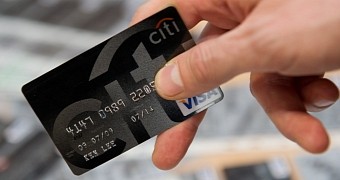
The risks are real, as victims can face significant financial losses, damage to their credit scores, and potential identity theft. Dark web transactions play a key role in fund transfers for credit card fraud. Cybercriminals use cryptocurrency to buy and sell stolen card data anonymously. Our investigation into the activities of b1ack’s Stash has unveiled a substantial threat to the security of payment card data across local banks. Analysis of the leaked data, likely sourced from phishing campaigns, suggests a high probability of the validity of these stolen cards based on the available information.
Secure Your Personal Information
Cybercriminals focus more on pilfering financial data like credit and debit card details, bank account numbers, and login credentials. A recent survey revealed that the rate of cyberattacks in the financial industry increased exponentially. Nearly, 65% of major financial services organizations have suffered a cyberattack in the last 12 months. The black market for stolen credit cards is a massive illegal business, with cybercriminals getting their hands on card data in a number of ways. Point-of-sale card skimmers, targeted Magecart attacks on websites and info-stealing trojans are among their top tools for stealing credit-card data.
Robotsnet Uses Cookies To Improve Your Experience And To Show You Personalized Ads Privacy Policy
Comparitech researchers sifted through several illicit marketplaces on the dark web to find out how much our private information is worth. A dump of hundreds of thousands of active accounts is aimed at promoting AllWorld.Cards, a recently launched cybercriminal site for selling payment credentials online. The dark web, shrouded in anonymity and lacking regulation, serves as a breeding ground for criminal activity.
Knowledge-sharing In The Carding Community
The increase is partly been driven by the increasing popularity of JavaScript-sniffers (AKA Magecart), which enable their operators to steal payment card data from e-commerce websites. The threat actors announced the credit card dump yesterday on new URLs BidenCash launched late last month in response to DDoS (distributed denial of service) attacks, so it could be a way to promote the new shop domains. A dark web carding market named ‘BidenCash’ has released a massive dump of 1,221,551 credit cards to promote their marketplace, allowing anyone to download them for free to conduct financial fraud. Research by VPN provider NordVPN of over four million credit cards for sale on the dark web found that credit cards from US citizens were the most common, with 1.6 million of the 4.5 million analysed being from the US. Once your personal information hits the dark web, it’s nearly impossible to remove it.
- Her writing covers everything from password best practices to Privileged Access Management (PAM), with a focus on making technical topics easy to understand.
- In this post, we’ll cover how credit card fraud operates on the dark web, how criminals obtain and trade card data, and cover some essential prevention strategies.
- The more secure your information is, the less likely it will be to fall into the hands of a threat actor.
- The validity of cards obtained through phishing can vary; however, they often demonstrate a relatively high validity rate due to several factors.
- Carders tend to target specific sites that don’t have VBV or other protections against fraud.
Occasionally, data dumps containing credit card details or other sensitive information are also shared directly within the forums. Card Shops are a type of dark web marketplace that hosts the trade of credit cards and other stolen financial information. These platforms serve as hubs for cybercriminals to easily buy and sell compromised payment card details, including credit card numbers, CVV codes, expiry dates, and cardholder information. Cybercriminals trade their illicitly acquired data on various dark web/hacking forums by advertising or leaking a sample of the data to lure other malicious actors in the community. Recently, adversaries illicitly obtained over three million customers’ credit card information after compromising Dickey’s BBQ Pit Point-of-Sale (POS) systems in 156 restaurant locations.
Evaluating Seller Feedback And Ratings
Since it was established in 2020, Real and Rare has been considered to be a stable credit card site that suffered very few downtimes. The number of card packages offered on the site has consistently increased, and today it also has an active Telegram channel from which it operates and sells stolen credit card details and announces new dumps. After it relaunched in June 2022, BidenCash initiated a promotional campaign that included sharing a dump of 8 million lines of compromised data for sale, which included thousands of stolen credit cards. Cyberint, the Impactful Intelligence company, reduces risk by helping organizations detect and mitigate external cyber threats before they have an adverse impact. A team of global military-grade cybersecurity experts work alongside customers to rapidly detect, investigate, and disrupt relevant threats – before they have the chance to develop into major incidents. Cyberint conducted an in-depth analysis of a subset of the leaked payment card data involving six major local banks, totaling 45,195 cards.
Decoding Credit Card Fraud On The Dark Web
- Carding websites continue to find creative ways to promote themselves on legitimate platforms—including global services like Last.fm (music streaming), Gravatar (avatar creation), and Pinterest (visual discovery).
- Experian’s free credit monitoring service is one easy way to stay alert.
- Once fraud is detected, a business must act immediately by contacting any customers who may have been impacted and contacting the payment processor to report the fraud.
- When it comes to credit card fraud, the best offense is a strong defense.
Infosec Insider content is written by a trusted community of Threatpost cybersecurity subject matter experts. Each contribution has a goal of bringing a unique voice to important cybersecurity topics. Content strives to be of the highest quality, objective and non-commercial. 2.5 million people were affected, in a breach that could spell more trouble down the line. Join the Breach and Attack Simulation Summit and experience the future of security validation. Hear from top experts and see how AI-powered BAS is transforming breach and attack simulation.
Someone With Access To Your Card Uses It Without Your Permission
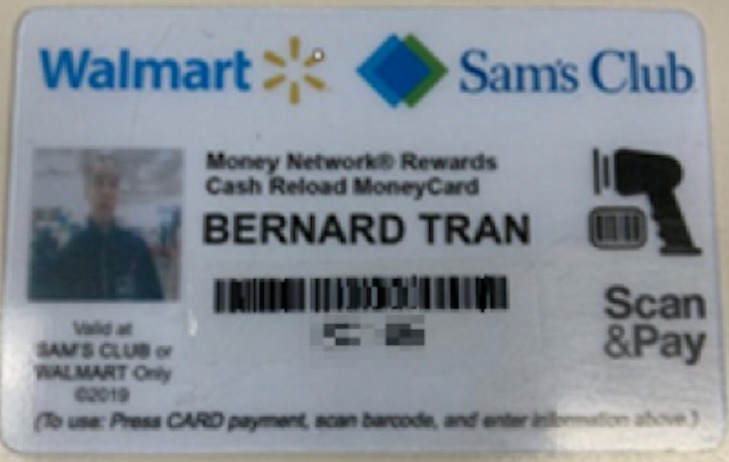
Vendors sell additional information about the cardholder, known as “fullz”, which includes the cardholder’s social security number, street address, birth date, and more. These cards can be used to make purchases online or in-store, and can even be used to withdraw cash from ATMs. This extra layer of security gives peace of mind in today’s digital world.
Prepare to be astounded, as we unveil the chilling reality that lies beyond the bright glow of your credit card statement. UPDATED A database featuring more than 460,000 payment card records – almost all from India – is being offered for sale through a darknet bazaar, threat intel firm Group-IB warns. Of the Italian cards, roughly 50% have already been blocked due to the issuing banks having detected fraudulent activity, which means that the actually usable entries in the leaked collection may be as low as 10%. The analysts claim these cards mainly come from web skimmers, which are malicious scripts injected into checkout pages of hacked e-commerce sites that steal submitted credit card and customer information. Experian’s free credit monitoring service is one easy way to stay alert.
Criminals leverage various tactics, both old and new, to access sensitive financial information. Understanding these methods can help you protect yourself and your financial data. The BidenCash stolen credit card marketplace is giving away 1.9 million credit cards for free via its store to promote itself among cybercriminals. In the ever-evolving landscape of cyber threats, businesses face not only financial losses but also significant reputational damage when targeted by fraud actors on the dark web.
These black markets allow buyers and sellers to make anonymous transactions using a combination of encrypted messages, aliases, and cryptocurrency. Our platform can detect any suspicious mentions about organizations, or stolen payment information to give as much time as possible to prepare for data breaches. It’s also important for consumers and payments professionals to understand that one stolen card could end up on multiple dark web forums. “You can have a breach on the surface web—then 15 to 20 different sites on the dark web might be selling that data,” says Wilson. If you use your credit card for work-related purchases, you should monitor for exposure to prevent fraud and protect your financial security. If your credit card is found on the dark web, change related passwords, report it to your bank, request a new card, and monitor for suspicious activity.
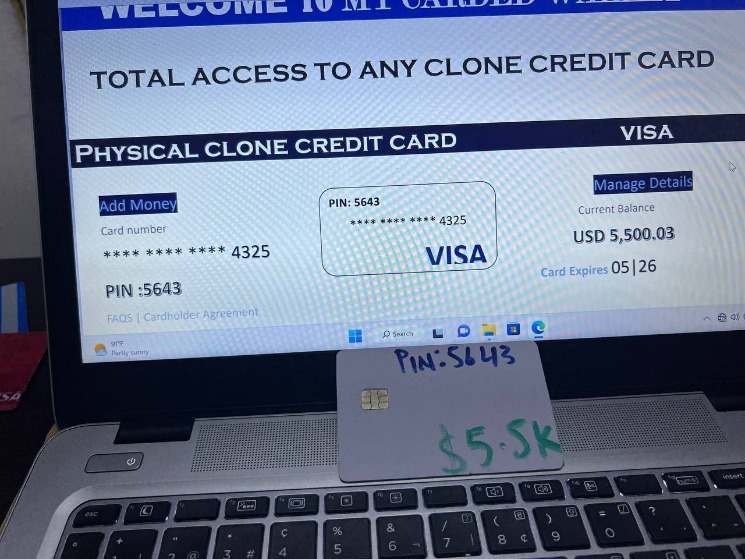
Credit card details can be sold as digital items on the dark web, with the basics costing around $17.36. Physical cards, on the other hand, are cloned from stolen online details and can be used to withdraw cash from ATMs. The three suspects from Indonesia confessed to stealing payment card data using the GetBilling JS-sniffer family. Canceling your credit card is a bit more complex, but you can start by contacting your bank or credit card issuer to report the card as stolen. Dark Web credit cards can be a nightmare for victims, often leaving them with significant financial losses and damaged credit scores. Carding websites continue to find creative ways to promote themselves on legitimate platforms—including global services like Last.fm (music streaming), Gravatar (avatar creation), and Pinterest (visual discovery).