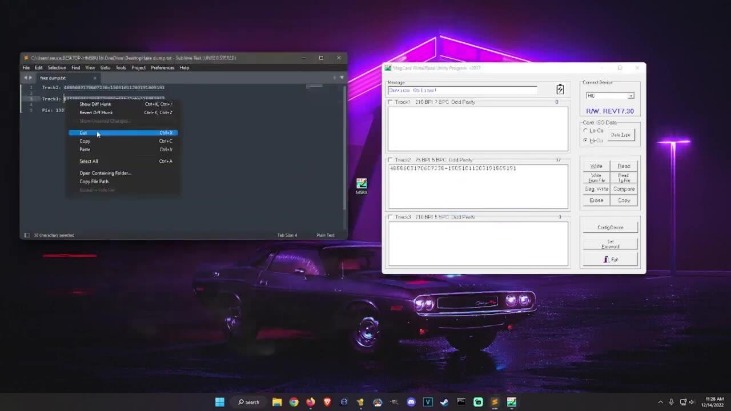
Dumps credit cards are a type of stolen credit card information used for fraudulent transactions. Monitoring the activity on these platforms is crucial for fraud detection, brand protection, and financial intelligence. Because of the level of anonymity, these sites allow cybercriminals, it is critical to use powerful dark web monitoring tools, such as Webz.io’ Lunar, to track emerging financial and reputational threats.
While the site claims to source data ethically, there are substantial risks involved in its use. Individuals must carefully weigh the pros and cons before deciding whether to engage with Blackpass. Legal and ethical considerations should always take precedence over any potential gains from illicit activities.
Unlocking Potential: How In-Person Tutoring Can Help Your Child Thrive
UniCC has been active since 2013 with tens of thousands of new stolen credit cards listed for sale on the market each day. The administrators of the largest illegal marketplace on the darknet for stolen credit cards are retiring after making an estimated $358m (£260m). Prices for stolen credit card data depend on the volume, quality, and format of the information being sold.
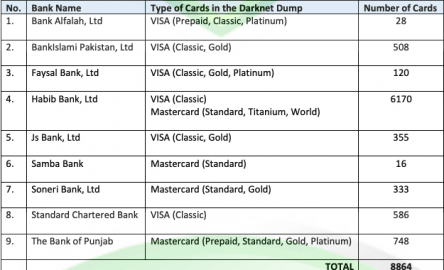
Russian Market
In the ever-evolving landscape of cyber threats, businesses face not only financial losses but also significant reputational damage when targeted by fraud actors on the dark web. Monitoring the deep and dark web becomes imperative for proactive defense against such threats. Lunar, our dark web monitoring tool is designed to empower individuals and businesses in this battle against cybercrime. With features like real-time alerts, data breach monitoring, and comprehensive dark web post monitoring, Lunar helps organizations stay ahead of deep and dark web threats in an increasingly hostile digital environment. In addition to just selling credit card details, some threat actors offer a “complete package” often referred to as “Fullz”. Fullz includes full personal details as well as financial details such as bank account details or social security numbers, which can be used for a full account takeover or identity theft.
Understanding Credit Card Dumps: How Criminals Steal And Sell Credit Card Information
- This involves adding daily listings of stolen credit card details to the site and periodically dumping large amounts of stolen credit card details at the same time.
- A credit card dump refers to a situation when criminals make unauthorized digital copies of credit card information, either by physically copying data from the card or through hacking the payments network.
- Despite its name, the marketplace operates primarily in English and serves a global audience.
- And while eggs and everything else seems to be getting more expensive for us, these dark web markets aren’t facing inflation but instead dropping in price.
- By setting up alerts, businesses can receive notifications whenever their PII or credit card information appears in suspicious contexts.
The first large-scale credit card dump is often attributed to 1984, when the New York Times reported that the password for a leading credit union, TRW, was stolen from a Sears store on the West Coast. This type of crime has been around for decades, but it’s gained wider public awareness in recent years due to the rise in credit card forgeries, identity theft, and other types of cybercrime. Dumps credit cards contain sensitive information such as the card number, expiration date, and security code. A dump of hundreds of thousands of active accounts is aimed at promoting AllWorld.Cards, a recently launched cybercriminal site for selling payment credentials online. Soon after vDOS’s database was stolen and leaked to this author, its two main proprietors were arrested.
Criminal organizations may use these illicitly obtained credit card databases to engage in additional illegal activities, such as selling stolen identities on the dark web or using the information to commit further fraudulent transactions. These secondary effects can add to the overall cost of a credit card dump, both for the affected individuals and organizations and for society at large. B1ack’s Stash, a new dark web marketplace, recently gained significant attention by releasing 1 million stolen credit card details for free upon their debut on April 30, 2024.
Face Masks For Dry And Sensitive Skin
The incident was a wake-up call to both consumers and companies regarding the importance of data security and the potential consequences of failing to adequately protect sensitive information. Understanding the methods behind credit card dumps is essential for both individuals and businesses to take preventive measures against this type of cybercrime. In the next section, we will explore how consumers and companies can safeguard themselves from these attacks. In conclusion, Blackpass is a controversial dark web marketplace known for offering stolen credit card information through its dumps.
- It’s a wake-up call for all of us to be more vigilant about our online security.
- The answer lies behind distributed denial of service (DDoS) attacks that targeted its original domains.
- In many cases, state and federal laws require that companies disclose any unauthorized access to customer information.
- Judging from the activity on the shop, BidenCash appears to be thriving in 2023, providing an active data and money exchange platform in a market that has experienced a decline in recent years.
- The black market for stolen credit cards is a massive illegal business, with cybercriminals getting their hands on card data in a number of ways.
Credit Card Dumps And Identity Theft
“Don’t build any conspiracy theories about us leaving,” the anonymous operators of UniCC said in a farewell posted on dark web carding forums, according to blockchain analytics firm Elliptic. “It is a weighted decision, we are not young and our health does not allow us to work like this any longer.” Apart from the dark web markets that are operating online today, some raided platforms influenced many markets. Launched in September 2022, Torzon Market operates on the Tor network and features over 11,600 illegal products, including drugs and hacking tools.
Hoard Of 12 Million CC Numbers And Associated Details Up For Grabs On Dark Web Carding Marketplace
In some cases, the company may be held liable for damages resulting from the breach, which underscores the importance of having robust cybersecurity measures in place. They can help you dispute the charges and may provide additional security measures such as a new card or a temporary freeze on your account. When you think about credit card theft, the image that comes to mind is often one of pickpocketing or burglary.
Japanese Brewing Giant Asahi Hit By Cyber-attack

The prevalence of credit card dump activities highlights the need for improved security measures in our financial systems. Financial institutions, merchants, and individuals must prioritize robust security protocols, employ encryption technologies, and stay updated on the latest threats to prevent credit card information from falling into the wrong hands. By following these measures, you can significantly reduce the risk of falling victim to credit card dump fraud. It is important to stay informed about the latest security threats and continuously educate yourself on best practices for protecting your financial information.
Why Physical Security Maintenance Should Never Be An Afterthought

The dataset included a mix of debit and credit cards, mainly from MasterCard and Visa, but also included American Express and JCB. This incident highlights the persistent threat of financial fraud on illegal platforms and underscores the urgent need for enhanced cybersecurity measures. There’s an underground ecosystem where sensitive data is bought, sold, and traded—not just on the dark web, as you might expect, but also on publicly accessible websites, channels, and forums. Among these are platforms dedicated to carding—a cyber crime niche centered on the large-scale use and abuse of stolen credit card information.
The Magecart group pioneered this technique, compromising thousands of online stores by exploiting vulnerabilities in popular e-commerce platforms. The data then gets parsed, sorted by bank type and location, and sold in batches. One compromised payment processor or e-commerce platform can yield thousands of card numbers at once. Sellers often provide buyers with validity rates for their data and even offer replacements for cards that don’t work. The pricing varies based on the card type, with premium cards from certain banks fetching higher prices.
About Cyberint
The carding shop promoted this giveaway through several known carding forums on the darknet to attract a larger customer base. Typically, carding shops release free data in the thousands, but B1ack’s Stash’s strategy set it ahead of its competition, similar to BidenCash’s tactic last year, where they leaked 2 million stolen cards. But it’s not just the dark web that poses a problem if payment card data is stolen—it’s the entire “cybercrime underground,” says David Capezza, senior director of payment fraud disruption at Visa. Typically, credit card dumps are obtained through various means, including hacking into point-of-sale (POS) systems, skimming devices, or purchasing stolen credit card information from underground markets on the dark web. Once the data is obtained, it can be encoded onto blank cards or used for online transactions. On one hand, accessing Blackpass provides valuable insights into potential cyber threats, offering access to millions of stolen credit card records.
Many other illegal darknet marketplaces have also shut down voluntarily over the winter for unknown reasons. First and foremost, the company’s IT team should work diligently to identify the source of the breach and contain it. This may involve shutting down the affected systems or even disconnecting them from the network entirely to prevent further damage.