The solubilized protein samples were stored in a deep freezer before use. Earlier this year, Narciso M. Garrido and colleagues at the University of Salamanca (Spain) published a review of 2-phenylethylamines in medicinal chemistry. Their article focused on open-chain, flexible derivatives such as the catecholamines dopamine, epinephrine (adrenaline), and norepinephrine, compared with constrained polycyclics such as morphine and berberine.
Arylalkylamines we had termed classical hallucinogens included indolealkylamines (e.g. LSD, 5-OMe DMT) and phenylalkylamines (e.g. mescaline, DOM). On the basis of drug discrimination studies, we showed that they produced a common DOM-like stimulus effect in rats. That is, some of these agents, particularly indolealkylamines, also activated 5-HT1A receptors and/or some other receptor population/subpopulation. Phenylethylamine (PEA) operates as a natural neuromodulator in the brain, influencing various cognitive and emotional processes by modulating neurotransmitter systems. Its primary mechanism is linked to the facilitation of neurotransmitters such as dopamine, norepinephrine, and serotonin, which play crucial roles in mood regulation, focus, and mental clarity. By boosting dopamine activity, PEA contributes to enhanced alertness, improved motivation, and sustained energy levels, making it a key agent for mental performance and energy support.
- Therefore, in this study, we demonstrated the effects of β-PEA on addictive behaviors and emotional states and revealed the mechanisms underlying β-PEA-induced addictive-like behaviors in rodents.
- Initially described as opioid receptors, sigma receptors conform their own family, unrelated to other receptors.
- The results are noteworthy because they showed that the stimulus effects of certain indolalkylamines, as well as phenylalkylamines, might be explained by the Venn diagram depicted in Figure 10.
- PEA has been proven to sharpen focus, increase stamina and improve overall endurance, making it an effective athletic performance stimulant.
- These medicinal mushrooms are particularly beneficial for individuals seeking long-term improvements in focus and memory.
Figure 13
As already alluded to,74 synthetic cathinones don’t represent a pharmacologically homo-geneous group of agents. Depending upon terminal amine and aryl substituents, stereochemistry, and the nature of the α side chain, these agents can act as releasing agents or re-uptake inhibitors at DAT, NET, and/or SERT. Nevertheless, PEA (1)-caffeine combinations require investigation in documented scientific studies. H5-HT2A receptor binding data for a few representative examples of phenylalkylamines using 3Hketanserin (3HKET),37 3HDOB38 or 125IDOI27 as radioligand.
Mechanism Of Action
This compound continues to garner scientific interest for its ability to harmonize emotional and cognitive functions while providing energy-supportive properties. Most phenethylamines act as either central nervous system stimulants, or as hallucinogens. Stimulants mediate the actions of dopamine, norepinephrine and/or serotonin, mimicking the effects of traditional drugs such as cocaine, amphetamine, methamphetamine, and ecstasy. Classic hallucinogens (psychedelics) mediate specific serotonin-receptor activities and produce hallucinations.
It’s always advisable to consult with a healthcare professional before starting any new supplement regimen. In addition to dietary sources, PEA is available as a dietary supplement. These supplements typically come in the form of capsules or powders and are often marketed for their potential mood-enhancing and cognitive-boosting effects. When considering PEA supplementation, it’s crucial to be aware of appropriate dosages and potential interactions with other substances.
Unlock Personalized Health Insights For Your Clients
Similarly, adaptogens such as reishi mushroom blend, mushroom cocoa with lion’s mane and cordyceps mushrooms, and energy support cordyceps mushroom may complement PEA’s effects in promoting mental balance and energy. These combinations are also explored for their role in neuroprotection and stress adaptation. Chemically, phenethylamine is a derivative of the amino acid phenylalanine.

Related Products
Research could analyze how synergistic combinations, like mushroom cocoa with lions mane and cordyceps, influence cognitive resilience and focus when paired with PEA. Exploring whether combining PEA with adaptogenic compounds or neurotransmitter modulators like theanine nasal spray GABA and kanna nasal spray theanine may enhance its neurochemical effects warrants further scientific inquiry. The unique synergy between phenylethylamine and other adaptogenic ingredients, such as NAD nasal spray or kanna nasal spray, demonstrates its potential as a holistic aid for blissful mood support and mental clarity.
- While phenethylamine supplements are thought to be relatively safe for humans, high doses of phenethylamine supplements have been shown to cause death in mice 68.
- In mechanistic studies, the administration of β-PEA significantly increased the DA concentration and TH and p-DAT protein expression in the dorsal striatum of mice.
- The naturally-occurring (-)ephedrine (53), the most potent of the phenylpropanolamines as a central stimulant, is several times less potent than amphetamine or methamphetamine.
- Proponents use it to increase their athletic ability, lose weight, increase their attention spans, combat depression, and as a supplement to support better overall mood.
- Moreover, PEA amplifies the actions of other key brain chemicals – serotonin, dopamine, norepinephrine and acetylcholine.
- In the present study, we demonstrated the psychoactive properties of β-PEA and their underlying mechanisms using multiple behavioral and emotional state assessments in rodents.
The Chemical Makeup Of Love: PEA’s Structure And Properties
PEA may potentially interact with other drugs, notably those that change the brain’s levels of monoamine neurotransmitters. Before using PEA, it’s vital to speak with a doctor, especially if you’re on any drugs or have any underlying medical issues. We’ve tried FitPowders Beta Phenylethylamine HCl (Pea) ourselves and we can attest to its effectiveness in supporting cognitive function and energy levels. It’s also great for promoting a positive mood, especially during stressful days. We appreciate that it’s 100% pure and third-party lab tested, ensuring its quality and purity.
Potassium Benefits + Intake, Sources & Side Effects
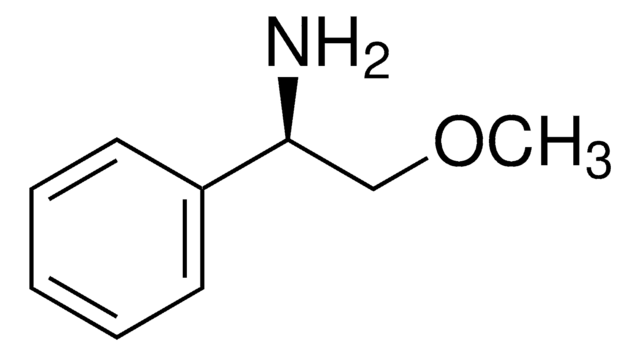
Many of these psychoactive compounds exert their pharmacological effects primarily by modulating monoamine neurotransmitter systems; however, there is no mechanism of action or biological target that is common to all members of this subclass. (+)Amphetamine was already a well-documented training drug (reviewed21); hence, we used rats trained to discriminate 1.0 mg/kg (i.p.) of (+)amphetamine from vehicle and conducted tests of stimulus generalization and stimulus antagonism. It might be noted that DOM-trained animals did not recognize (+)amphetamine (i.e., the DOM-stimulus did not generalize to (+)amphetamine), and (+)amphetamine-trained animals did not recognize DOM).18 The stimulus effects of the two agents were mutually exclusive. Phenylethylamine (PEA) plays a pivotal role in the brain’s neurochemical landscape, particularly in stress response and emotional regulation. As a naturally occurring trace amine, it serves as a neuromodulator, influencing the release of key neurotransmitters such as dopamine, norepinephrine, and serotonin.
2 Α-Adrenergic Receptors
Other agents, those possessing unprotected primary amines, such as PEA (1) or tryptamine – agents of moderate lipophilicity – if they penetrate the BBB, are rapidly metabolized by enzymes such as monoamine oxidase (MAO). As a consequence, polar agents usually possess minimal, if any, central activity. The exploration of phenylethylamine (PEA) and its potential impact on human cognitive health presents several fascinating directions for future research.
As mentioned, this is an endogenous amine that affects neurotransmitter activity in the brain. In human (and other mammalian bodies) the chemical is in short supply and metabolizes rapidly (with a half-life of about a half minute). Because of its potential to interact with other compounds and a lack of understanding about how it might affect otherwise healthy individuals, though, it is not recommended for supplementation by many medical professionals as of yet. One interesting controversy around chocolate and PEA is the question whether chocolate can cause migraine and whether this may be due to PEA. Of course, food in general can trigger migraine (Finocchi & Sivori, 2012).
These chemicals are central to mood balance, cognitive clarity, and the body’s overall reaction to stressors. Studies indicate that phenylethylamine’s impact on focus and clarity is closely tied to its ability to enhance energy metabolism in the brain. This effect makes it an interesting compound for those seeking alternative approaches to support mental performance. When combined with complementary ingredients like cordyceps mushroom extracts—commonly included in energy-support supplements—or lion’s mane medicinal mushrooms, the synergistic benefits could further elevate cognitive function.